Best Essential Oils for Creating a Calming Home Environment
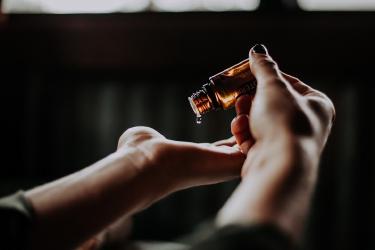
Ever walked into someone’s home and immediately felt… calm? Like all the stress from your day just melted away? Chances are, they’re using essential oils the right way.
You don’t need expensive diffusers or a degree in aromatherapy to create that vibe in your own space. Just a few bottles, some basic knowledge, and you’re set.
Why Essential Oils Actually Work
but: your sense of smell is directly wired to your brain’s emotional center. That’s not woo-woo talk-it’s neuroscience. When you breathe in lavender or bergamot, those molecules hit your olfactory receptors and send signals straight to your limbic system.
This is why certain scents can instantly transport you back to your grandmother’s kitchen or that beach vacation from five years ago.
For creating a calming environment, you’re essentially hacking this system. The right oils trigger relaxation responses before you even realize it’s happening.
The Top Essential Oils for Relaxation
Lavender: The Classic for Good Reason
Lavender gets recommended everywhere because it works. Studies show it actually lowers cortisol levels and heart rate. Put 3-4 drops in a diffuser before bed, and you’ll notice the difference.
I keep a bottle on my nightstand. On nights when my brain won’t shut up, I dab some on my pillowcase. Usually asleep within 20 minutes.
Bergamot: The Mood Lifter
This citrusy oil is weird in the best way-it’s both calming AND uplifting. Perfect for those times when you’re stressed but don’t want to feel sleepy.
Bergamot contains compounds that reduce anxiety without making you drowsy. Great for home offices or living rooms where you want peaceful energy, not sedation.
Chamomile: Gentle but Powerful
Roman chamomile smells like apple blossoms and works wonders for nervous tension. It’s milder than lavender, which makes it perfect if you find some scents overwhelming.
Blend it with lavender (2 drops chamomile, 3 drops lavender) for bedrooms. Your nervous system will thank you.
Frankincense: Ancient Wisdom
This resinous oil has been used in meditation practices for thousands of years. There’s a reason for that.
Frankincense slows breathing patterns naturally. Use it during meditation, yoga, or just when you need to take the edge off a chaotic day. The scent is woody, slightly sweet, and incredibly grounding.
Ylang Ylang: The Floral Powerhouse
Sweet, exotic, and seriously relaxing. Ylang ylang is known for lowering blood pressure and promoting feelings of peace.
Warning: a little goes a long way. One or two drops mixed with other oils is plenty. Too much can be cloying.
How to Actually Use These Oils
Diffusers Are Your Best Friend
Ultrasonic diffusers are cheap (you can find decent ones for $20-30) and effective. Add water, drop in 4-6 drops of oil, and let it run for 30-60 minutes.
Don’t run them continuously all day-your nose will adapt and stop noticing the scent. Intermittent use works better.
Room Sprays for Quick Fixes
Mix 15-20 drops of essential oil with water and a splash of witch hazel in a spray bottle. Shake before each use.
Spray on curtains, couches, or just into the air when you need instant calm. Lasts about 2-3 hours.
Reed Diffusers for Passive Scenting
These require no electricity and work 24/7. Pour carrier oil (like fractionated coconut oil) into a small vase, add 15-20 drops of essential oil, and insert reed sticks.
Flip the reeds every few days. Perfect for entryways, bathrooms, or bedrooms.
Direct Inhalation
Sometimes you just need immediate relief. Put a drop on your palms, rub them together, cup over your nose, and breathe deeply for 30 seconds.
Works incredibly well with frankincense or bergamot when you’re feeling overwhelmed.
Blending Oils Like a Pro
You don’t have to use oils solo. Combining them creates more complex scents and amplifies benefits.
Evening Blend:
- 3 drops lavender
- 2 drops frankincense
- 1 drop ylang ylang
Stress Relief Blend:
- 3 drops bergamot
- 2 drops lavender
- 2 drops chamomile
Meditation Blend:
- 4 drops frankincense
- 2 drops sandalwood
- 1 drop myrrh
Start with these ratios and adjust based on your preferences. Can’t stand floral scents - skip the ylang ylang. Love citrus - double the bergamot.
Common Mistakes to Avoid
Buying synthetic fragrances instead of pure essential oils is the biggest one. Check labels-if it says “fragrance oil” or “perfume oil,” put it back. You want 100% pure essential oil.
Using too much oil is another trap. More isn’t better. It can trigger headaches and actually increase stress.
And please, don’t apply undiluted essential oils directly to skin without a carrier oil. They’re super concentrated and can cause irritation.
Creating Calm in Different Rooms
Bedroom: Lavender and chamomile are non-negotiable. Run your diffuser 30 minutes before bed.
Living Room: Bergamot and frankincense create that “everything’s going to be okay” atmosphere without putting people to sleep.
Bathroom: Add a few drops of eucalyptus or lavender to shower walls before hot showers. The steam disperses the oils beautifully.
Home Office: Peppermint mixed with bergamot keeps you alert but calm. Better than coffee jitters.
The Bottom Line
You don’t need 50 different oils to create a calming home. Start with lavender and bergamot - add frankincense when you’re ready. Experiment from there.
The goal isn’t to turn your house into a spa (unless that’s your thing). It’s about creating an environment where your nervous system can actually relax.
Your home should feel like a sanctuary, not another source of stress. Essential oils are just one tool-but they’re a powerful one.
Give it two weeks of consistent use. Notice how you feel when you walk through your door. That shift - that’s what we’re after.