Comparing Different Types of Meditation for Different Goals
So you want to start meditating. Great choice. But here’s where it gets tricky: meditation is more than one thing. It’s like saying you want to “exercise” without specifying if you mean yoga, weightlifting, or running a marathon.
Different meditation techniques do different things for your brain and body. Some calm you down, others sharpen your focus, and a few might even change how you see yourself and the world. Let me break down the main types and what they’re actually good for.
Mindfulness Meditation: The Swiss Army Knife
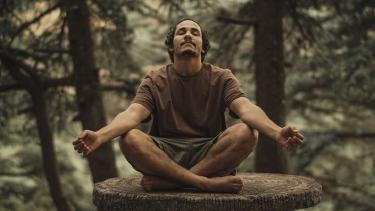
This is what most people think of when they hear “meditation. " You sit - you breathe. You notice your thoughts without getting tangled up in them.
Mindfulness works for stress reduction, anxiety management, and just general mental clarity. Studies show it can lower cortisol levels by around 20-30% after eight weeks of regular practice. Not bad for sitting still.
The technique is simple: focus on your breath, notice when your mind wanders (it will), and gently bring your attention back. No judgment - no fighting your thoughts. Just observing.
Best for: People who overthink everything, those dealing with chronic stress, anyone who needs to be less reactive in daily life.
Transcendental Meditation: The Effortless Path
TM takes a different approach. You get a personal mantra (a specific sound or phrase) from a certified teacher, and you repeat it silently for 20 minutes twice a day. That’s it.
Unlike mindfulness, you’re not trying to observe your thoughts. You’re using the mantra to settle into deeper states of rest. Research from the American Heart Association suggests TM can reduce blood pressure by 4-5 points, which is comparable to some medications.
The catch? You need formal instruction, and it costs money. Usually several hundred dollars for the initial training.
Best for: People who struggle with “trying too hard,” those with high blood pressure, anyone wanting a structured, consistent practice without much complexity.
Loving-Kindness Meditation: Rewiring Your Social Brain
This one feels weird at first. You mentally send goodwill to yourself, then to loved ones, then to neutral people, then to difficult people, and finally to all beings everywhere.
“May you be happy - may you be healthy. May you be safe.
It sounds cheesy until you realize it actually changes brain activity in regions associated with empathy and emotional processing. One study found that just seven minutes of loving-kindness practice increased feelings of social connection toward strangers.
Best for: People dealing with resentment or anger, those who are self-critical, anyone in caregiving professions prone to burnout, or if you just want to feel more connected to others.
Body Scan Meditation: Getting Out of Your Head
You systematically move your attention through different parts of your body, usually starting at your toes and working up to your head. You’re not trying to change anything, just notice sensations.
This technique excels at releasing physical tension you didn’t know you were holding. It’s also incredibly effective for insomnia. About 60% of people who do body scans before bed report falling asleep faster.
The practice trains you to recognize stress signals earlier. That tight jaw - those hunched shoulders? You’ll catch them before they become full-blown tension headaches.
Best for: People with chronic pain, insomnia sufferers, those who live entirely in their heads and ignore physical signals.
Zen Meditation (Zazen): The Discipline Route
Zazen is stricter than mindfulness - specific posture. Eyes half-open. Counting breaths or focusing on breath movement. Sometimes you face a wall.
The rigidity is the point. It builds mental discipline and breaks down the constant need for comfort and entertainment. You’re training yourself to be okay with discomfort.
This isn’t the meditation you do while commuting. It requires dedicated time and space.
Best for: People who want serious mental training, those who respond well to structure and ritual, anyone preparing for challenging life transitions.
Visualization Meditation: Mental Rehearsal
Athletes use this constantly. You create detailed mental images of achieving goals, performing skills, or experiencing desired states.
Unlike other forms, visualization is actively directed. You’re not observing thoughts; you’re deliberately creating them. Research shows mental practice can improve physical performance by 10-15%, which is why Olympic teams have sports psychologists on staff.
Best for: Athletes, performers, people working toward specific goals, anyone dealing with anxiety about future events (you can rehearse staying calm).
Movement Meditation: For People Who Can’t Sit Still
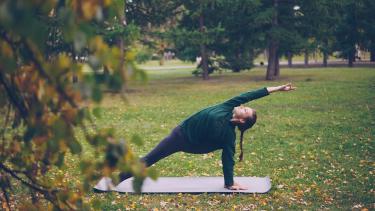
Walking meditation, tai chi, qigong, even mindful yoga. The principle is the same as seated practice, but you’re moving.
You focus on physical sensations: feet touching the ground, air on your skin, muscles engaging and releasing. When thoughts arise, you acknowledge them and return to movement.
Some people find this easier than sitting because it gives the mind something concrete to track. Plus, you get light exercise.
Best for: Restless people, those with physical jobs who want integration between work and practice, anyone who finds seated meditation frustrating.
So Which One Should You Actually Do?
Here’s my take: start with basic mindfulness for 2-3 weeks. Ten minutes a day. It gives you foundational skills that transfer to other types.
Then experiment based on your goals:
- **Need stress relief fast? ** Body scan or mindfulness
- **Want long-term emotional resilience? ** Loving-kindness or mindfulness
- **Struggling with focus at work? ** Mindfulness or TM
- **Training for something specific? ** Visualization plus mindfulness
- **Dealing with pain or tension? ** Body scan
- **Want spiritual depth? ** Zen or TM
- **Can’t sit still?
You don’t have to pick one forever. I rotate between mindfulness (daily baseline), loving-kindness (when I’m irritable), and body scans (when I can’t sleep). Think of them as tools, not identities.
The biggest mistake people make? Trying to do everything at once. Pick one technique, give it three weeks of consistent practice (even just 5-10 minutes daily), then reassess. Your brain needs time to build new patterns.
One last thing: the “best” meditation is the one you’ll actually do. A simple mindfulness practice you maintain beats an elaborate Zen routine you abandon after a week. Start small, stay consistent, and adjust as you learn what works for your brain.